
Green Banking and Finance Mechanisms - For Scaling Up
E3I partners with financial institutions, donors, and governments to leverage resources and scale up investment in energy efficiency, clean energy, and resilient infrastructure solutions. The E3I team has launched and implemented blended finance facilities, credit mechanisms, green banks and finance authorities, and public-private partnerships to help achieve climate, economic, and sustainable development goals.
Representative Examples:
Western Balkans Sustainable Energy Finance Facility (WeBSEFF) for the European Bank for Reconstruction and Development (EBRD), as prime contractor, 2009-ongoing
EBRD launched the WeBSEFF facility in the Western Balkans in January 2009, and the project is managed by E3 International. WeBSEFF provides loans for sustainable energy projects up to EUR 2 million, including industrial energy efficiency (high efficiency motors and drives), with a maximum investment cost of EUR 5 million. E3I is responsible for facility marketing, capacity building at banks, project identification and design, energy audits, cost and economic analysis, technical and financial due diligence, and business plan development. projects have been submitted to eight participating banks for financing with a total loan amount of million.
E3I was selected as Project Consultant for the WeBSEFF II sustainable energy credit line – a 117 million Euro finance facility which builds upon the success of WeBSEFF I (for which E3I was also Project Consultant) by adding municipal sustainable energy projects and structuring of energy performance contracts. The project operates in the following countries: Bosnia Herzegovina, Croatia Macedonia, and Serbia.
E3I is responsible for marketing the Facility and ensuring that the widest range of stakeholders are informed about the Facility and its benefits in order to achieve a prompt uptake of the financing and the related benefits; ensuring that pipelines of eligible Sub-projects are developed under the Facility; providing help in developing Sub-projects for municipal sustainable energy projects, industrial energy efficiency, renewable energy and commercial service sector buildings by supporting potential Sub-borrowers in identifying their investment requirements, developing project cash flow, evaluating project risk, undertaking Energy Audits (“EA”) and/or Sustainable Energy Assessments (SEA); assisting the developers of Sub-projects with formulation of loan applications to Participating Banks (PBs); and providing capacity building/training to participating banks on municipal energy efficiency financing. Since July 2013, E3I has assessed sub-projects in Croatia, BiH, Macedonia and Serbia, with loan amounts totaling Euro million, of which Euro million have already been financed by the participating banks; this include Euro million of loans for public sector projects including both debt financing and energy performance contracts.
Sustainable Use of Natural Resources and Energy Financing (SUNREF) for the Agence Francaise de Developpement (AFD), as subcontractor to
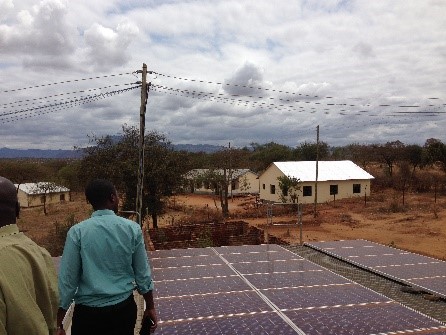
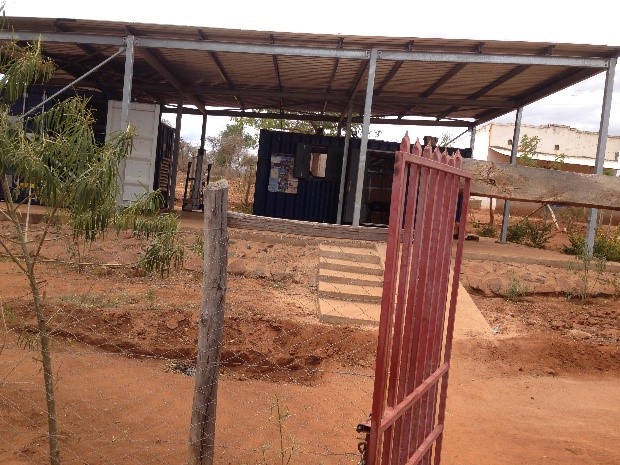
The East African Countries of Kenya, Uganda and Tanzania face a growing energy demand characterized by an intensive use of biomass fuel (wood, charcoal) for domestic use, especially in rural communities and among the urban poor. In addition, since electricity consumption is growing every year, these countries struggle to secure an adequate production capacity and are exposed to regular power shortages. Because these countries significantly rely on hydropower, the situation has worsened in the recent years due to severe droughts. This has resulted in the development of additional power generation capacities in the form of emergency oil-fueled power plants, thus increasing the countries’ dependency on fossil fuels. The region’s transition process towards renewable energy sources and energy efficiency improvements is essential, with significant opportunities for rural electrification and minigrids. However, banks, having a limited track record financing such projects, are frequently confronted with immature or poorly conceived projects, where the perceived financial and implementation risks are often not adequately mitigated by project developers.
In order to support the Governments of Kenya, Tanzania and Uganda in successfully implementing their policies in the energy sector with the objective to increase the share of renewable energy resources and to promote rural electrification and minigrids, the “Agence Française de Développement” (AFD) launched a regional programme (SUNREF) with two main components:
- Credit facilities to provide banks with the necessary long-term financing deemed to overcome the financial barriers met by project sponsors.
- A Regional Technical Assistance Programme, the role of which is to facilitate the origination of viable and bankable projects, provide technical and financial support at critical stages of project development and to increase the knowledge and the expertise of the main stakeholders (sponsors, banks, consultants, equipment providers).
E3I was responsible for managing the launch of the second phase of SUNREF, focusing on building pipeline development and providing transaction advisory support to local banks and project developers to help achieve AFD’s objectives.
Bulgarian Energy Efficiency Loan Guarantees for United States Agency for International Development (USAID) Development Credit Authority (DCA)
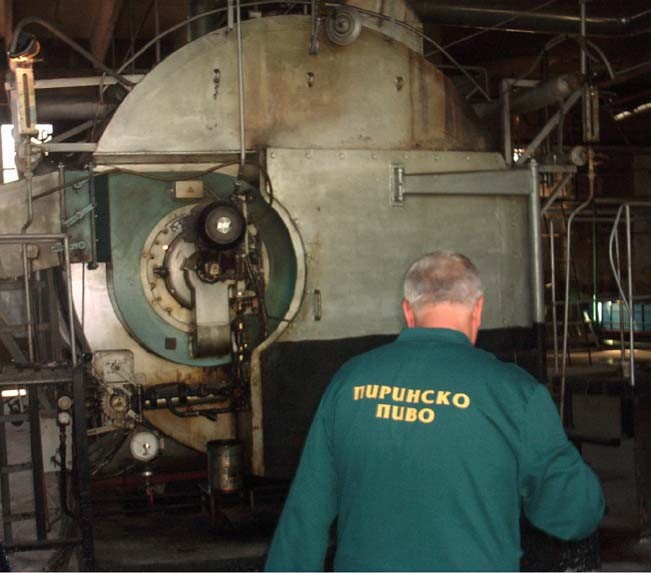
The Municipal Energy Efficiency Program (MEEP) was implemented in Bulgaria by E3I staff to provide technical assistance for development of municipal energy efficiency projects to be funded by United Bulgarian Bank (UBB) under the U.S. Government Development Credit Authority (DCA) 50% loan guarantee program. The program was funded by the United States Agency for International Development (USAID) – Sofia Mission. The Program aimed at establishing sustainable mechanisms for long-term commercial project financing of energy efficiency projects in Bulgaria. The main financial tool for the program implementation is the DCA 50% loan guarantee mechanism. The team worked with municipalities, industrial enterprise owners and managers, project developers, and UBB regional and central management. E3I staff carried out the initial creditworthiness analysis of the borrower, performed the engineering study, facilitated the financial deal structuring, conducted the cash flow and risk analyses, suggested risk mitigation strategies, developed the business plan, and assisted UBB and the borrower in closing the deal. E3I staff was successful in securing financing for over 30 projects using the DCA guarantee facility.
Montgomery County (Maryland) Green Bank, pre-launch advisory and board leadership, 2015-present
The Montgomery County Green Bank was authorized in 2015 by legislation of the County Council to accelerate the investment in green technologies, including energy efficiency and renewable energy solutions, to advance the inclusive growth of the clean energy economy in the state of Maryland, and to help meet Maryland’s ambitious greenhouse gas emissions reduction goals. It is the first county-level green bank in the United States. MCGB is funded with limited public-purpose capital to be leveraged with private and donor capital investment to achieve significantly greater impact than government grants alone could provide. Green banks or finance authorities, which can be government, quasi-government, or nonprofit entities, use financial tools like loan loss reserves and guarantees to reduce perceived risk and catalyze private capital participation in clean energy market sectors. E3I leadership has been involved in the pre-launch market assessment, funding, and governance activities of the MCGB (and also, including product development, for the Washington, DC Green Finance Authority launched in 2018) and is represented on MCGB’s board leadership now guiding the operations, investments, partnerships, and governance of this new institution which has already been proven successful at the state level in Connecticut and New York and internationally in Great Britain, Japan, Malaysia, Australia and elsewhere. This public/private blended finance approach for clean energy investment can also be adapted for implementation in conjunction with development banks to achieve sustainable development goals, and E3I leadership is currently advising on these internationally in several countries.